Quincy Memorial

Quincy Underground Railroad Memorial Proposal
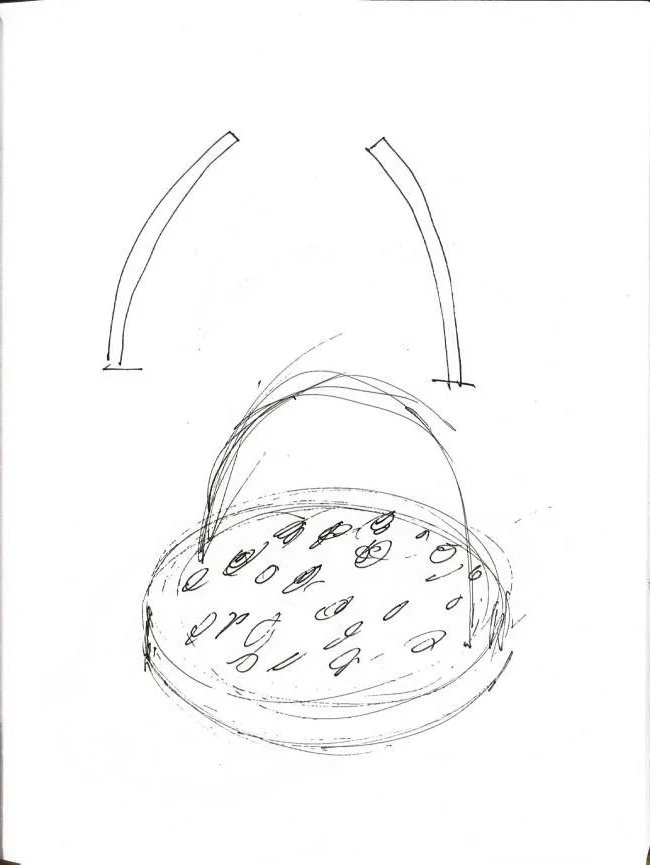
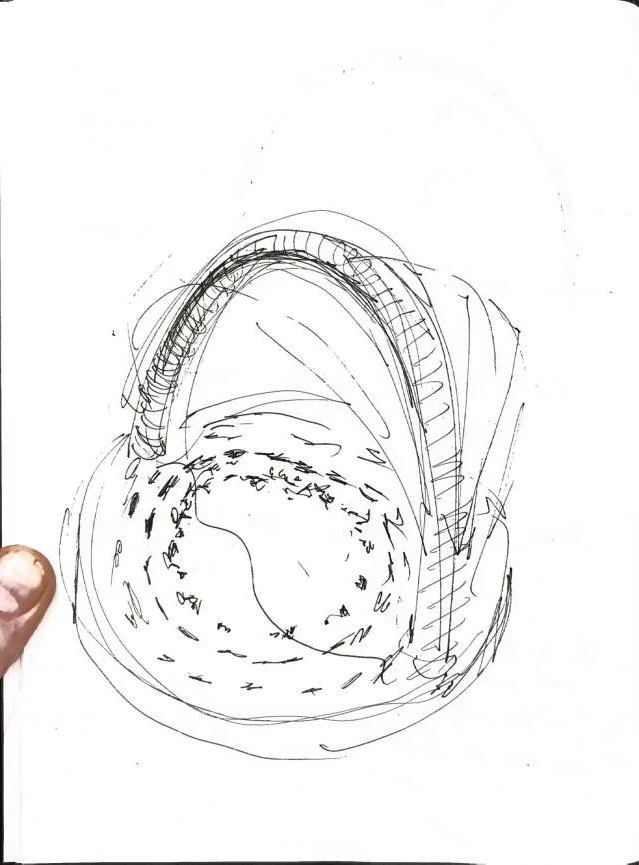
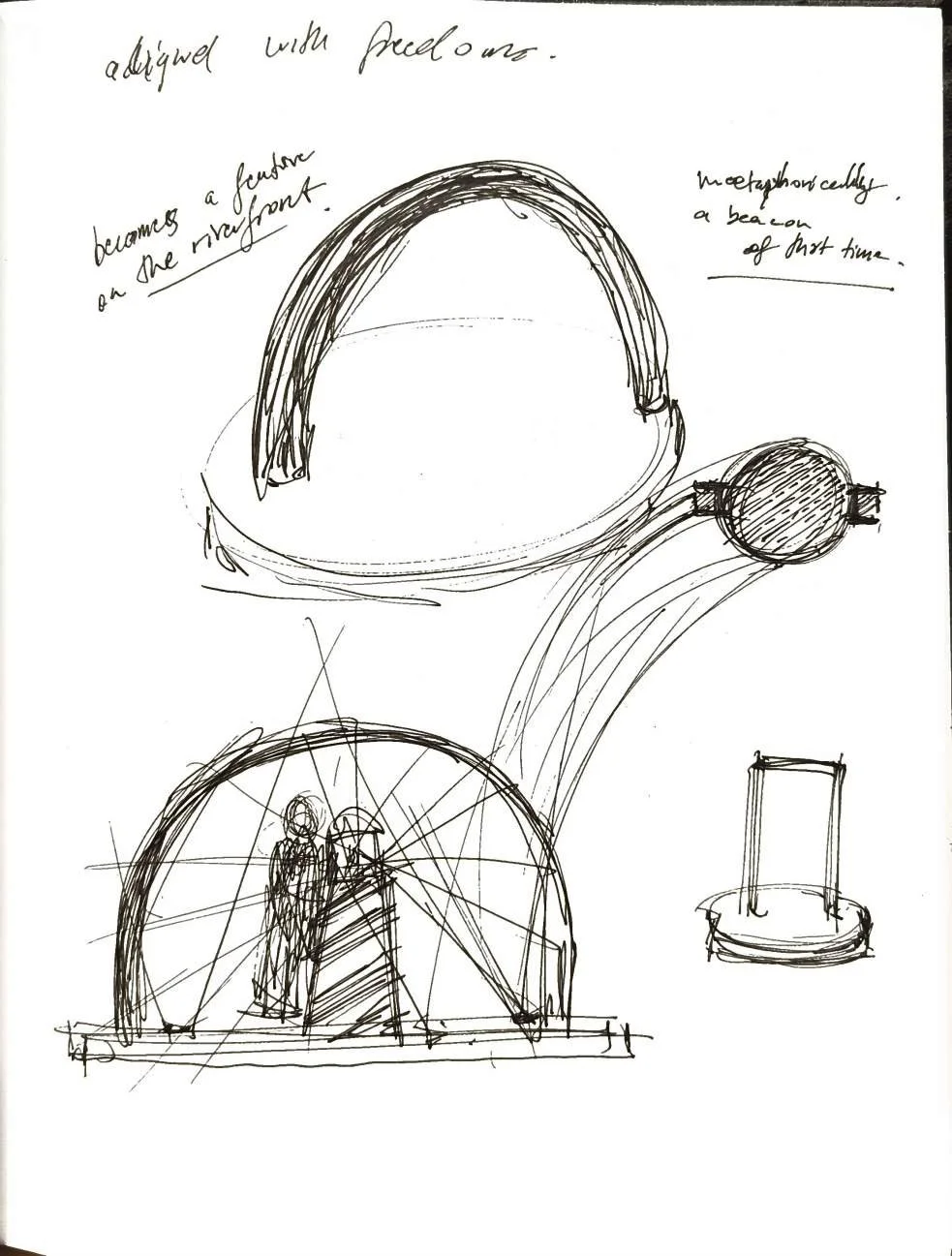
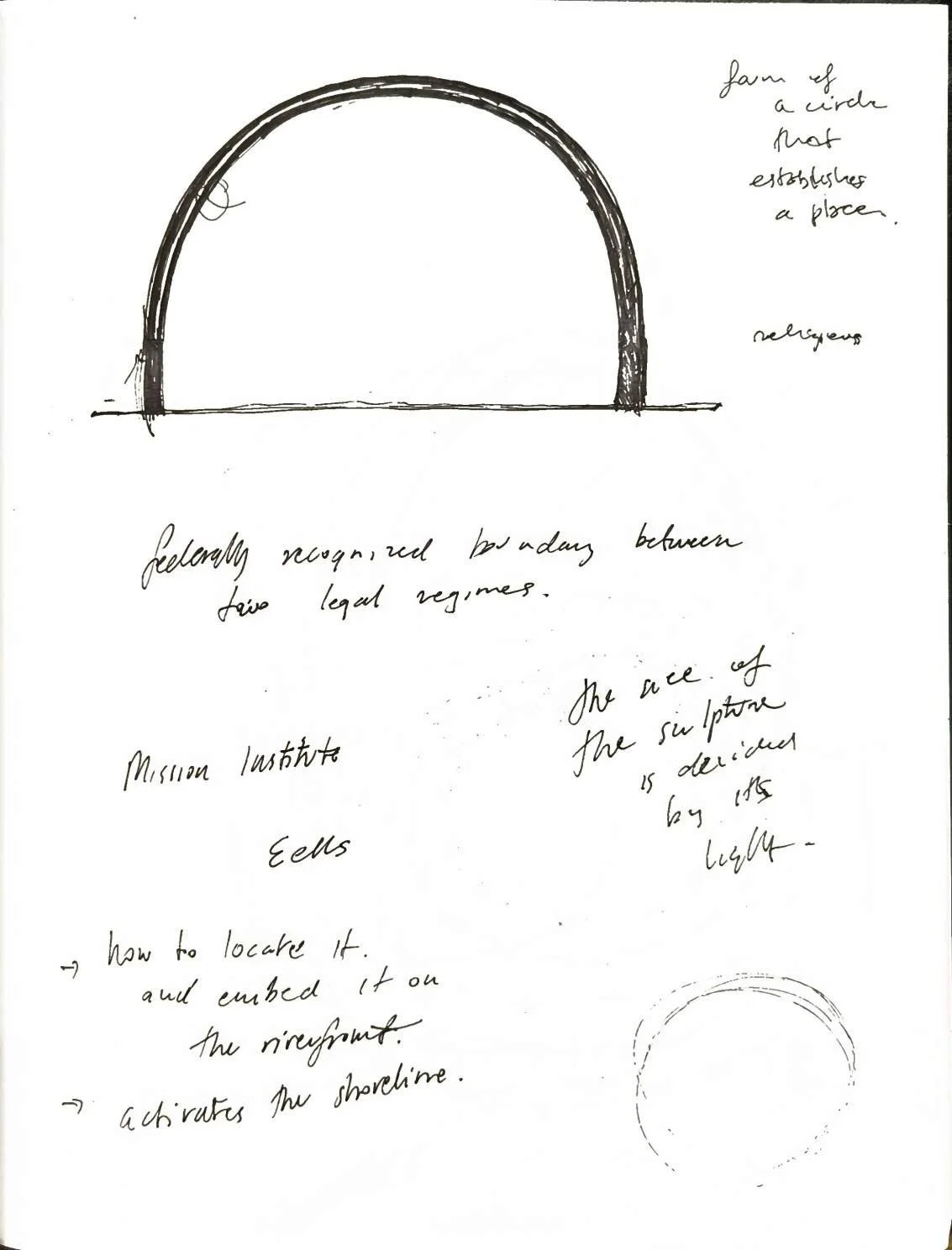
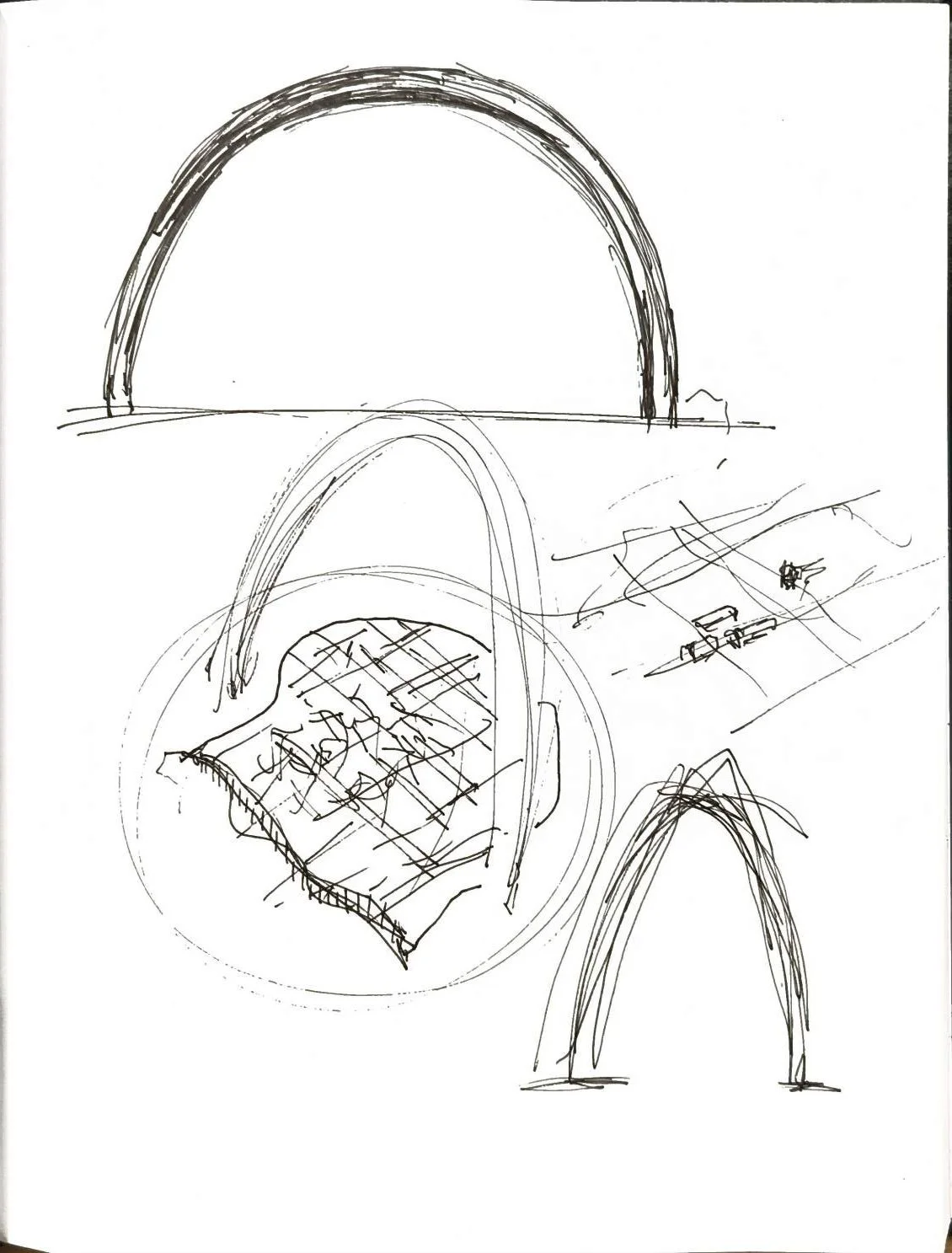
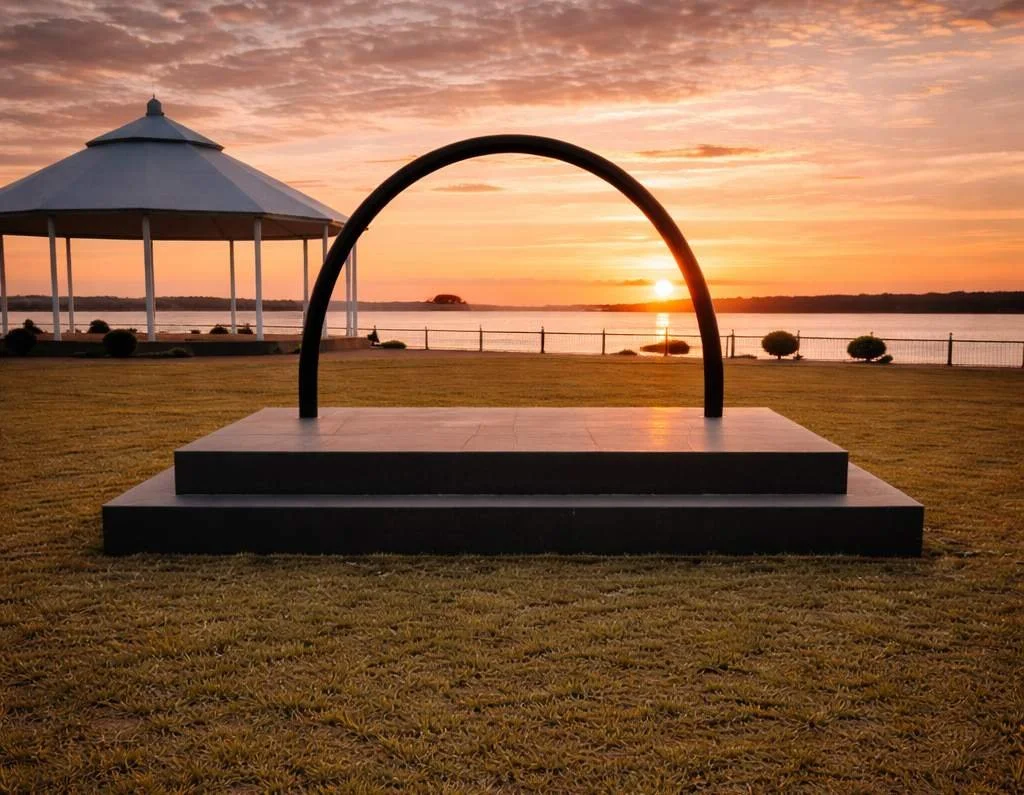
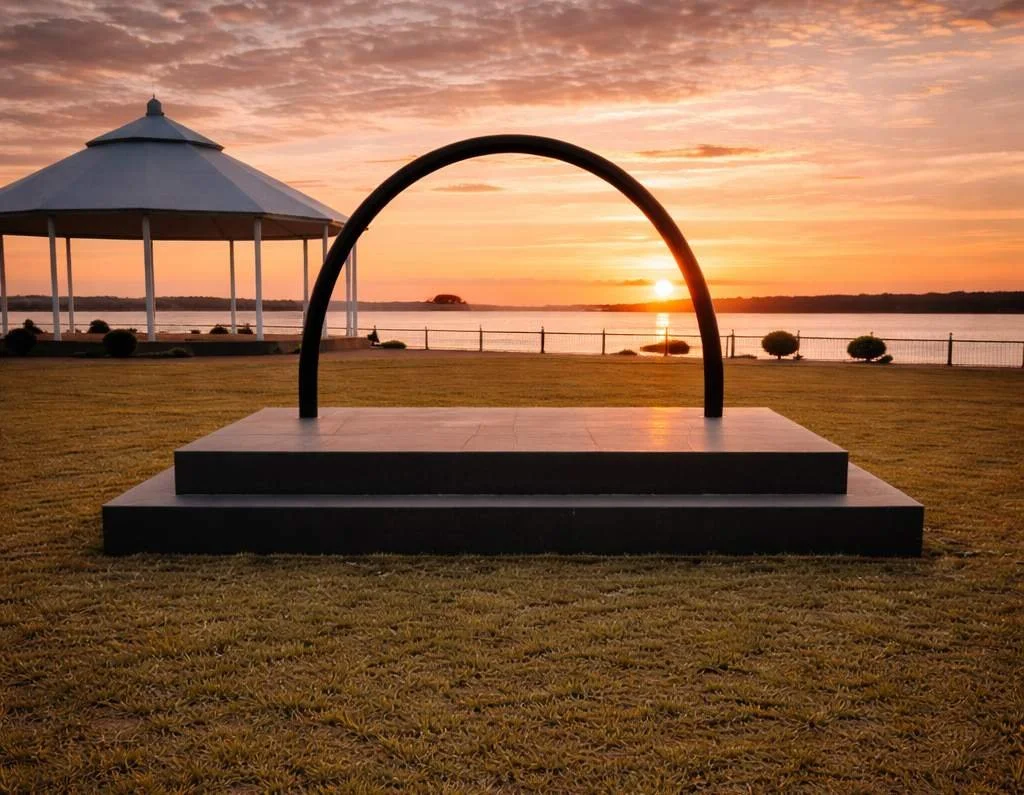
The sculpture is a single half-circular arch of black steel rising from a low, two-tier base of black tile over concrete, set on the Quincy waterfront facing the Mississippi. The arch is the oldest architectural sign of passage, threshold, and sanctuary. The base is a register — a surface that holds names, and will hold more as research recovers them. The piece is deliberately reduced because the history it honors is too large and too unfinished for a tableau. It does not ask to be looked at. It asks to be passed through.
The site is not abstract. For decades before the Civil War the Mississippi was the legal line between slavery and freedom, and this shore is where it could be crossed. Freedom seekers coming out of Missouri found here one of the most active Underground Railroad networks in western Illinois: Dr. Richard Eells, whose house is now a National Park Service Network to Freedom site; Dr. David Nelson’s Mission Institute; and Quincy’s free Black residents, among them Barryman Barnett, who in 1842 pulled a man named Charley from the river and brought him to Eells’s door. The arch faces Missouri, so a visitor standing beneath it looks across the water toward the place people came from. It is also in deliberate conversation with the Gateway Arch 130 miles downstream — where Saarinen’s arch is bright, soaring, and oriented west, this one is black, low, and oriented to the crossing itself, insisting that the same river that carried settlers toward their futures also carried enslaved people toward their freedom.
The risers of the base carry the names of those connected to the Underground Railroad at Quincy — freedom seekers whose passage is documented, and the abolitionists, free Black residents, and allies who helped them — to be confirmed and expanded with the Quincy Historical Society, the Eells House, and descendant community members. Eells’s trial for harboring a freedom seeker reached the U.S. Supreme Court in 1852; the Mission Institute’s Work, Burr, and Thompson case drew national attention to the moral cost of the slave codes a decade before the Fugitive Slave Act. The people who crossed here, and those who met them, were not peripheral to American history. They were agents of it. This memorial honors the courage of both. Its job is to do the naming.